low-ash-content moisture-controlled supplies sustainable two-ketoglutaric acid
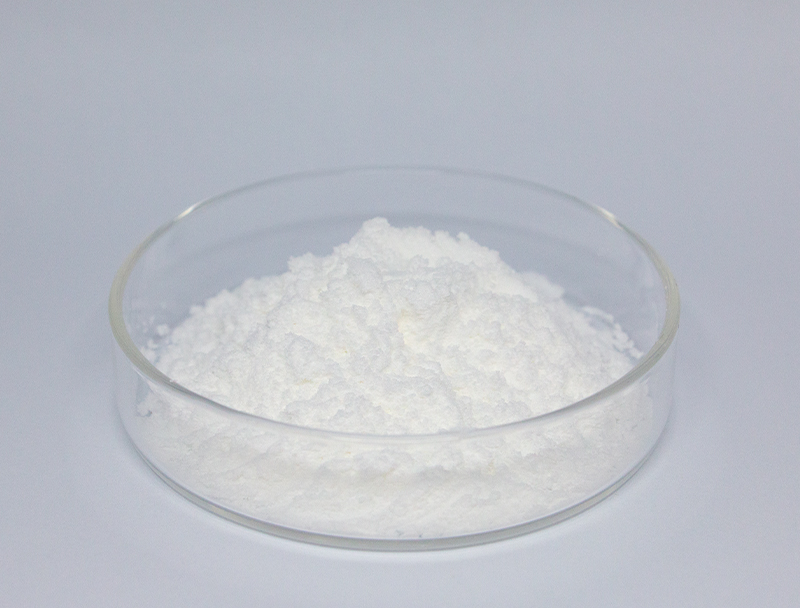
Bioprocessing depends strongly on a substantial range of starting materials to manufacture advanced biological products.
Ensuring continuous ethical sourcing of resources remains essential to industry resilience and responsible expansion.
multiple challenges associated with traditional raw material procurement like ecosystem disruption and unsustainable harvesting. Therefore, biomanufacturing companies must actively seek out alternative sourcing strategies to minimize their ecological footprint.
- Samples of circular procurement methods cover:
- Leveraging biomass from food-processing residues
- Establishing regenerative loops to cut waste and elevate material utilization
- Building relationships with nearby vendors dedicated to moral sourcing
The transition to greener sourcing offers both planet-friendly outcomes and business advantages.
Upgrading Feedstock Traits for Better Biofuel Performance
Boosting conversion rates requires high-quality and well-characterized biomass. Researchers repeatedly investigate innovative methods to enhance feedstock potential, leading to higher yields of biofuels and a more sustainable energy future. Efforts pair genetic enhancement for feedstock abundance with advanced pretreatment to produce usable sugars.
- Additionally, researchers are focusing on identifying new sources of biomass, such as algae, waste products, agricultural residues, to expand the range of sustainable feedstocks available for biofuel production.
- Owing to ongoing work the biofuel domain is primed to reach substantial milestones advancing renewable energy adoption.
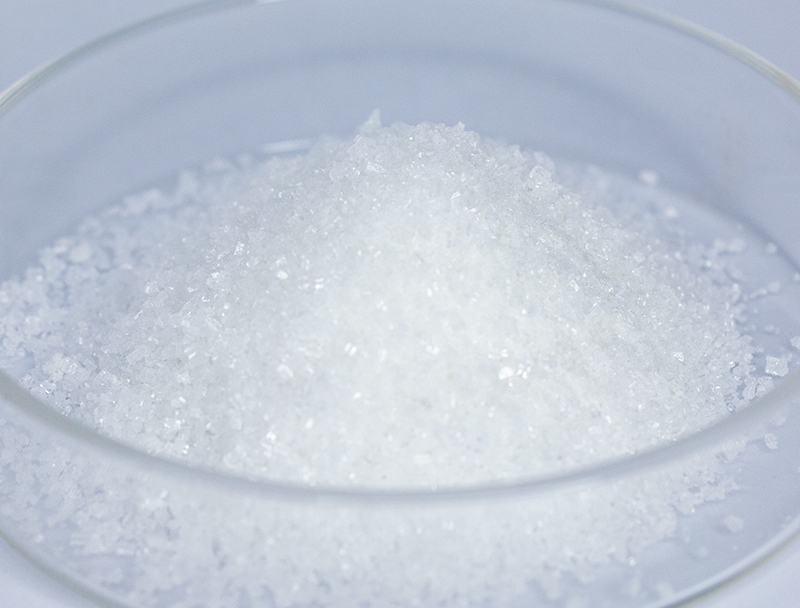
Upstream Process Improvements for Modern Biopharma Production
comprises front-end procedures like culture expansion and cell retrieval Recent developments in this field have resulted in optimized workflows that raise overall output.
Meaningful breakthroughs include engineered cell strains, enhanced culture formulations, and modular reactor designs. Such breakthroughs boost efficiency and simultaneously reduce manufacturing costs and carbon burdens.
- Also, evolving practices favor continuous flow processing which supports more agile upstream control.
- This transition to advanced manufacturing techniques is set to transform the sector and accelerate therapeutic timelines.
Innovations in Gene Editing for Improved Biopharmaceutical Yield
improvements in molecular editing platforms like CRISPR have updated therapeutic production processes. Using precise gene interventions, engineers raise the output of key therapeutic proteins. The approach may facilitate scalable, low-cost therapeutic production for numerous diseases.
Microbial Approaches to Effective Bioremediation
progressive microbe-based cleanup tactics that mitigate industrial pollution. Certain microbes have capacities to biotransform contaminants into nonharmful forms.. By harnessing this natural potential, we can develop environmentally friendly strategies for cleaning up contaminated sites and mitigating the negative impacts of industrial activities.. Study groups probe microbial metabolic diversity to tackle metals, persistent pesticides, and hydrocarbon spills.. They can be integrated into bioreactor platforms or introduced in the field to stimulate microbial breakdown of hazardous compounds..
Biotechnology-driven remediation delivers notable upsides compared to conventional cleanup tactics. The approach tends to lower treatment costs and avoids producing toxic residuals. Also, microbial interventions offer targeted remediation that minimizes collateral ecosystem disturbance. The domain advances quickly, concentrating on raising reliability and performance of microbial cleanup methods.
Data-Driven Approaches for Therapeutic Development
Computational biology approaches are becoming vital across contemporary drug R&D. By leveraging complex datasets, bioinformatics expedites discovery and optimizes candidate safety and potency.
- Through mining large genomic, proteomic, and clinical repositories, informaticians reveal new targets and forecast drug behaviors.
- Furthermore, computational modeling of drug–target interactions aids rational design of higher-performing therapeutics.
- Ultimately, informatics is transforming R&D and shortening timelines to deliver safe, efficacious therapies to patients.
Synthetic Biology Routes for Elevated Bioproduct Synthesis
implements many strategies to improve microbial output of desired bioproducts. Methods might combine targeted gene changes to rechannel flux, regulatory element design to control expression, and exogenous gene introduction to provide fresh capabilities.. By refining pathway flux and regulation engineers can significantly raise bioproduct production.
This wide-ranging tactic can overhaul industries spanning medicine, agriculture, and energy production.
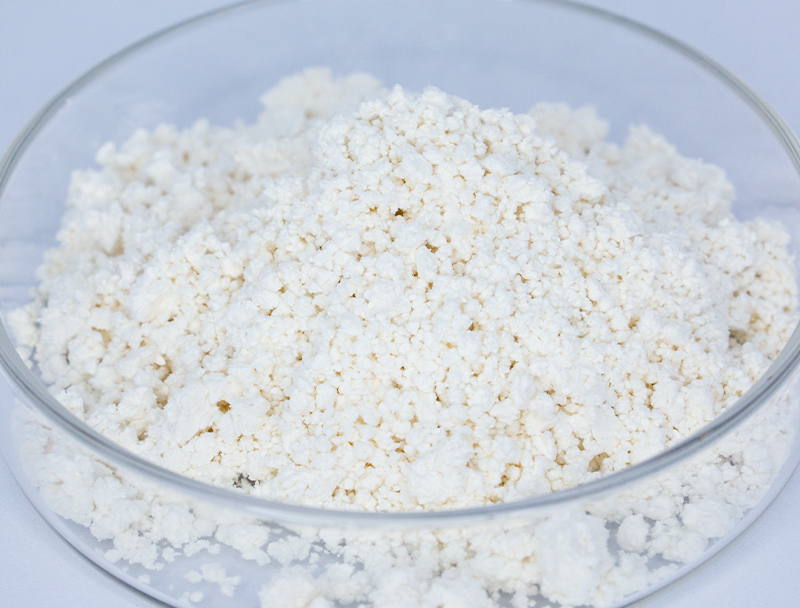
Scale-Up Challenges and Prospects for Biopharmaceuticals
Transitioning to higher volumes entails serious complications and potential rewards. Preserving batch-to-batch quality when scaling up is a key challenge. Addressing it demands strong process governance, accurate real-time analytics, and advanced measurement systems.

A further difficulty lies in process complexity, with many interdependent production phases.. Scaling optimization is a resource-intensive task that calls for substantial innovation and study.. However, the prospective rewards are sizable. Effective scale-up may expand patient access to therapies, cut unit costs, and improve Calcium alpha-ketoglutarate margins.
Several projects are designed to mitigate these scaling barriers. They encompass new process-improvement tools, in-line analytics for continuous oversight, and creative manufacturing approaches.
- Product development and process R&D are pivotal to boosting production capabilities.
- Regulators are reforming approval systems to facilitate adoption of advanced manufacturing and nurture innovation.
Navigating the Regulatory Landscape for Biopharmaceuticals: Ensuring Safety and Efficacy
Manufacturing biopharmaceuticals entails detailed regulatory processes to copyright safety and clinical performance. Products of biological origin introduce specific challenges that differ from standard drug development.
Bodies like FDA and EMA shape the regulatory landscape and set benchmarks for evaluating innovative therapies..
Rigorous testing protocols are mandatory throughout the development lifecycle, from pre-clinical research to post-market surveillance.. The processes aim to expose risks and ensure that treatments meet exacting safety benchmarks.
Likewise, authorities progressively modify regulatory tactics to follow the speed of innovation in biopharma.. Strategies include welcoming technological advances and simplifying development while prioritizing patient safety.
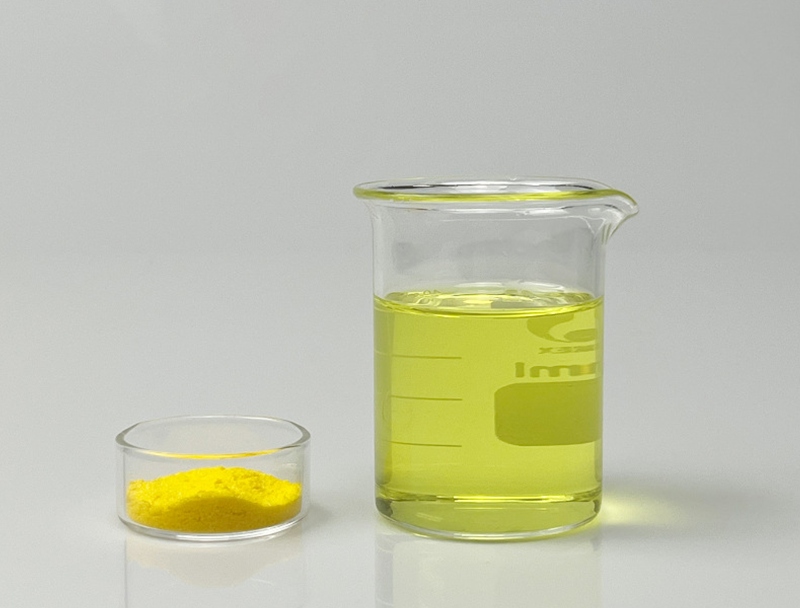
Harnessing Plant Feedstocks to Create Biodegradable Plastics
The growing need for sustainable materials has led to a surge in research and development of renewable options. Plant-origin feedstocks converted into bioplastics create promising opportunities for eco-friendly materials. Plant inputs like corn-derived starch, cellulose derivatives, and sugarcane can be turned into degradable plastics that lessen environmental burdens.
Furthermore, these bioplastics often possess comparable properties to their petroleum-based counterparts, making them suitable for a wide range of applications.. Sustained research efforts are necessary to optimize plant feedstocks for mass bioplastic production and enable circularity.
Biotechnology's Potential to Transform Health and Food Supply
Emerging biotechnologies deliver avenues to improve health outcomes and secure food resources. Using genome engineering, synthetic biology techniques, and cell-based treatments, innovators devise ways to tackle pathogens, amplify yields, and improve nutrition.. Consider genetically enhanced crops that resist pests and environmental stresses to improve production and reduce pesticide reliance.. Furthermore, biotechnology supports creation of vaccines, therapeutic agents, and advanced diagnostics that strengthen responses to infectious threats and enhance health outcomes.. With persistent development, biotech stands to offer transformative solutions for global health and long-term food security.
α-Ketoglutaricacid